A sports destination works best when the event and the city complement one another. A central base can make sightseeing simple, while a venue farther out may reward careful transport planning. Neither is automatically better; the important question is whether the whole itinerary feels manageable.
Start with the shape of your trip
Before falling for a stadium name, decide what kind of break you want. A one-night visit has different needs from a long weekend. If the event is the main reason for travel, prioritise reliable venue access and a straightforward return. If you want a city holiday with sport at its centre, look for a strong mix of public transport, neighbourhoods to explore, and attractions that fit around the event.
Also consider the calendar. Fixtures, tournaments and venue access change. Some cities have busy event periods that affect accommodation demand and transport, while shoulder-season weather may alter how much time you want to spend outdoors. Check official event organisers and venue information before you commit to dates; this guide does not list live schedules or availability.
Different cities, different trip rhythms

Paris: a major city itinerary alongside sporting venues.
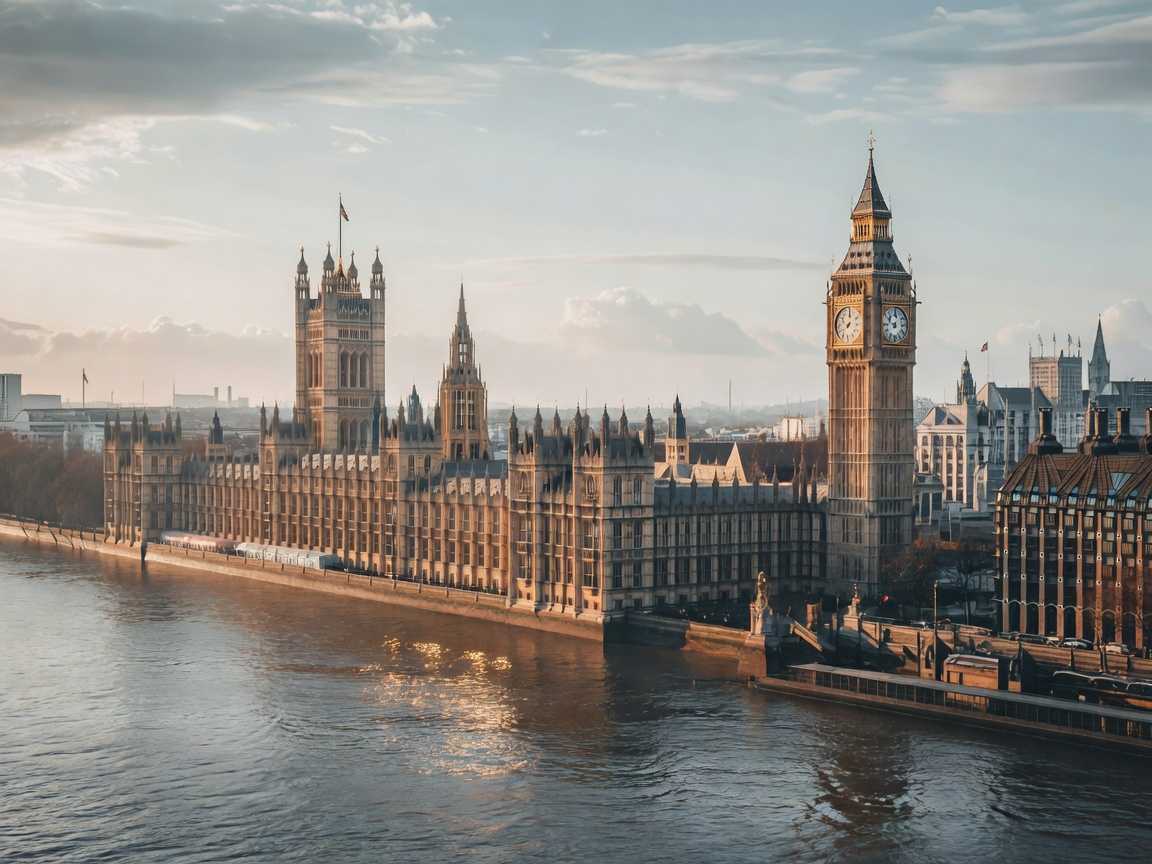
London and Wembley Stadium suit travellers who want a vast choice of museums, neighbourhoods and dining. The city's scale gives plenty to do, but it also means your hotel, rail station and stadium may sit in different parts of a large network. Build a route that works for both the event and the rest of your stay.
Munich and Allianz Arena offer a distinctive city break with a well-known football venue and a compact historic centre. Plan the stadium leg separately from central sightseeing and check current transit guidance before travel. The city can appeal to visitors who want urban culture with access to a more relaxed pace beyond the centre.
Madrid and Santiago Bernabéu Stadium combine football heritage with a lively food and museum scene. Its central districts are rewarding to explore on foot, while venue access and matchday crowd levels still deserve a specific plan. Paris and Stade de France make a natural choice for visitors combining a sporting occasion with an extensive cultural itinerary; allow time to understand the venue's location relative to your chosen base.
Milan and San Siro bring together football history, architecture and a city shaped by design and food. Amsterdam and Johan Cruijff ArenA offer another urban contrast: the centre and the arena district have different characters, so check how your planned activities connect. Barcelona adds a strong architectural and seaside dimension, but confirm which venues and access arrangements apply to your specific dates rather than assuming a stadium experience is available.
Compare the whole journey, not just the ground
Venue accessibility can be a deciding factor. Check the official venue's access page for current step-free routes, seating information and assistance arrangements. Then compare that with your accommodation location, airport arrival and planned sightseeing. A simple-looking map may not show crowd controls, service changes or the time needed to cross a busy station.
Transport complexity also affects budget. A cheaper room farther from the centre may require extra local journeys. A central stay can reduce friction and make dining or sightseeing easier, but may cost more during popular dates. Compare the total trip—accommodation, transport, meals and time—rather than headline room prices alone. Local food markets and neighbourhood restaurants can add character without making every meal a formal occasion.
Good for / What to know
Good for
- Travellers who want sport plus museums, architecture or food.
- Groups who value several activity options between event commitments.
- First-time visitors who can use a central base as an easy reference point.
What to know
- Big-city transport networks take time to learn; check the official operator's current advice.
- Event calendars and tour access can change independently of your travel plans.
- Costs vary by dates and neighbourhood; compare the complete itinerary.
A practical shortlist
Make a short list of two or three cities, then score each against four questions: how appealing is the sporting setting, how simple is the venue journey, what would you enjoy on a non-event day, and how easily can you reach your accommodation? Add your dates only after checking confirmed event information from an official source. Consider a spare half-day for delays or a change in plans, especially if a return flight follows the event.
Finally, keep expectations flexible. A famous venue may be in an area you would not otherwise choose as a base; that can be fine if the route is straightforward. A city with fewer headline attractions can still make a rewarding trip if its neighbourhoods, food and sporting atmosphere suit you. The best destination is the one where the event fits naturally into the holiday you actually want.