The most satisfying sports trips leave enough room for the host city to surprise you. A venue visit, a neighbourhood café and a slow walk across a historic centre can balance the urgency of event day with a different pace.
Look beyond the main attraction
Sports museums can add context to a destination, but check whether a particular institution is open, what its current displays include and whether advance booking is required. The National Football Museum in Manchester, for example, is a real museum dedicated to football; consult its own visitor information for current opening, admission and accessibility details. A stadium museum or club collection may be part of a separate visit, so confirm access through the venue directly rather than assuming it is included in a tour.
Architecture can also make a venue worth seeing from the outside. Stadium design, surrounding public space and the approach on foot all tell a story about how sport fits into a city. Respect access boundaries, residential areas and any event-day restrictions. A public view does not mean every area is open for visitors.
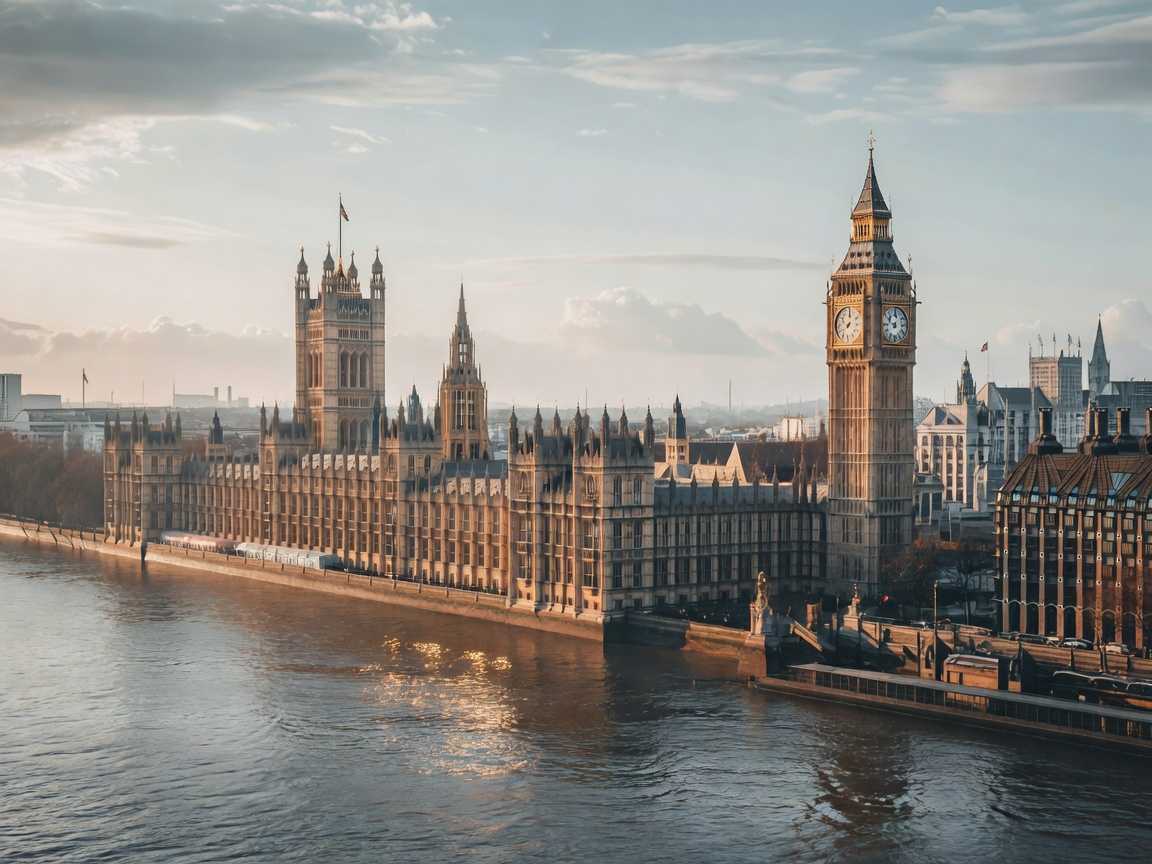
Historic landmarks and sports venues can share the same city itinerary.
Build a balanced day around event time
Start with the event's confirmed timing, then choose one or two activities that fit comfortably around it. A morning museum visit works better when you know how long it takes to travel to the ground and when you need to arrive. Avoid packing a distant attraction, a long lunch and a venue visit into a narrow window. The useful itinerary is the one that still feels calm if a queue or service delay appears.
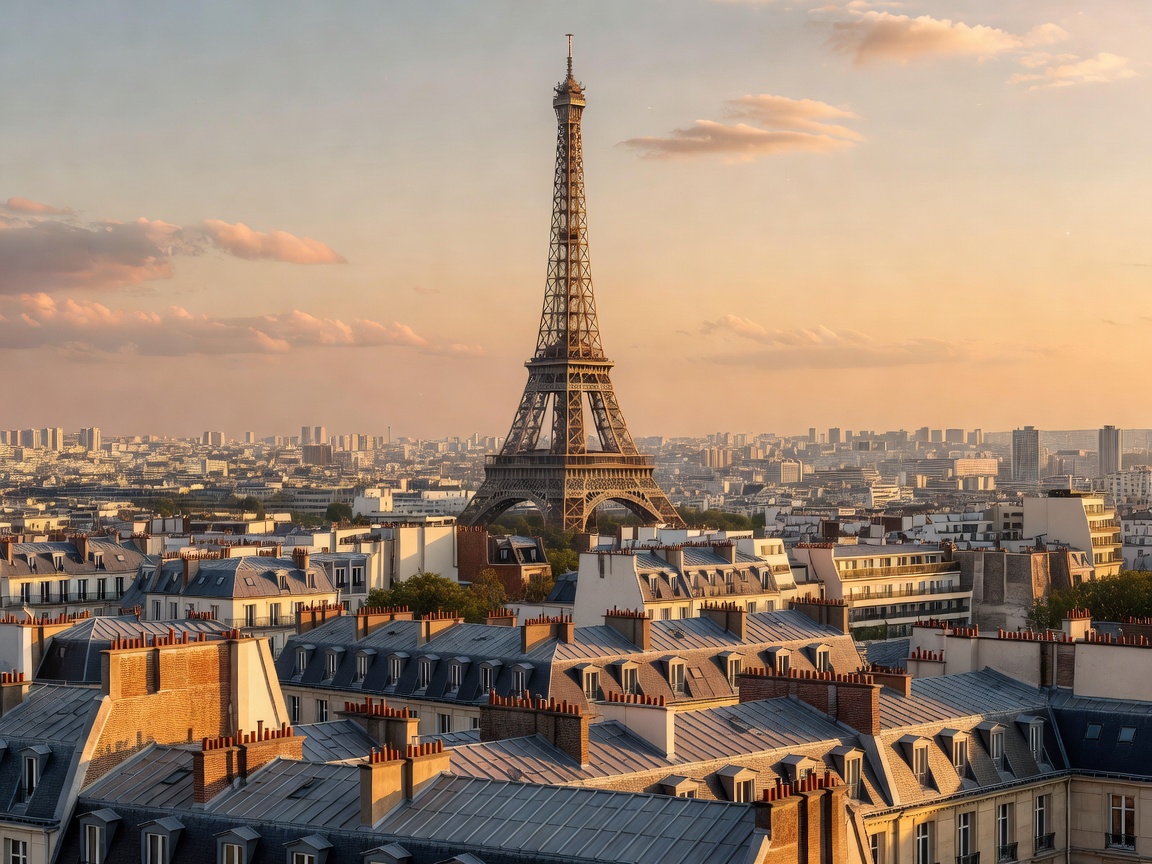
Historic centres are often best explored as a loose walking route rather than a list of distant stops. In Paris, a walk through central neighbourhoods can sit alongside a visit to a landmark; in Madrid, public squares, markets and museums offer varied ways to spend a non-event day. Confirm current opening hours and reservation requirements for each attraction, especially on public holidays or during seasonal periods. These examples are suggestions for planning, not claims about current schedules.
Markets and public squares give a feel for ordinary city life as well as food. Be thoughtful around crowded spaces: follow local rules, respect residents and avoid blocking entrances or transport. A fan gathering place is not necessarily an official fan zone, and event-day arrangements vary. Check the event organiser or local authority before treating any public space as a planned event destination.
Food, walking and local atmosphere
Regional food is a good way to learn a city through its daily routines. Try a local market or neighbourhood restaurant when time allows, and keep your pre-event meal location practical. Check menus, dietary information, hours and reservations with businesses directly. If you have an allergy or a strict dietary requirement, ask the venue itself about ingredients and preparation rather than relying only on a translated online description.
Walking routes can link a museum, park, market and café without adding another complicated transfer. Use current accessibility information and consider gradients, paving, rest opportunities and weather. Families may prefer one focused attraction plus open space; groups with different interests can agree on a shared start and finish point, then split into smaller plans. If anyone needs step-free routes or accessible facilities, verify these details in advance with the attraction or local transport provider.
Rainy-day and low-cost alternatives
Have a flexible indoor option for bad weather: a museum, covered market, gallery or relaxed café can be more rewarding than forcing a long outdoor walk. Free attractions and public spaces can help manage costs, but “free” does not always mean no booking, no queue or unrestricted entry. Check current visitor information before travelling. A scenic urban walk, a public square or a neighbourhood bakery can provide a memorable break without requiring a full-day ticketed schedule.
Event dates can influence crowd levels and availability even far from the venue. Leave the tightest sightseeing for a non-event day where possible and keep the event-day plan simple. If your visit is short, choose one cultural activity that genuinely interests your group rather than ticking off many landmarks from a checklist.
Example itinerary shapes
One event day
Easy breakfast, one nearby activity, early meal or snack, official venue arrival, and a pre-planned route home. Keep the schedule light.
Long weekend
Use a non-event day for a museum and neighbourhood walk; leave one flexible slot for weather, rest or a change in event arrangements.
Good for / What to know
Good for: travellers who want a shared cultural experience, families looking for variety, and fans who enjoy the history and design around a sport.
What to know: opening hours, timed-entry rules, accessibility details, seasonal offers and event-related crowding change. Verify all current information with the attraction or relevant local authority.
Respectful travel is part of a good fan experience. Follow local rules, be considerate in residential areas, avoid assuming that every gathering is official, and leave public spaces as you found them. The host city is more than a backdrop; it is home to the people who make the visit memorable.